
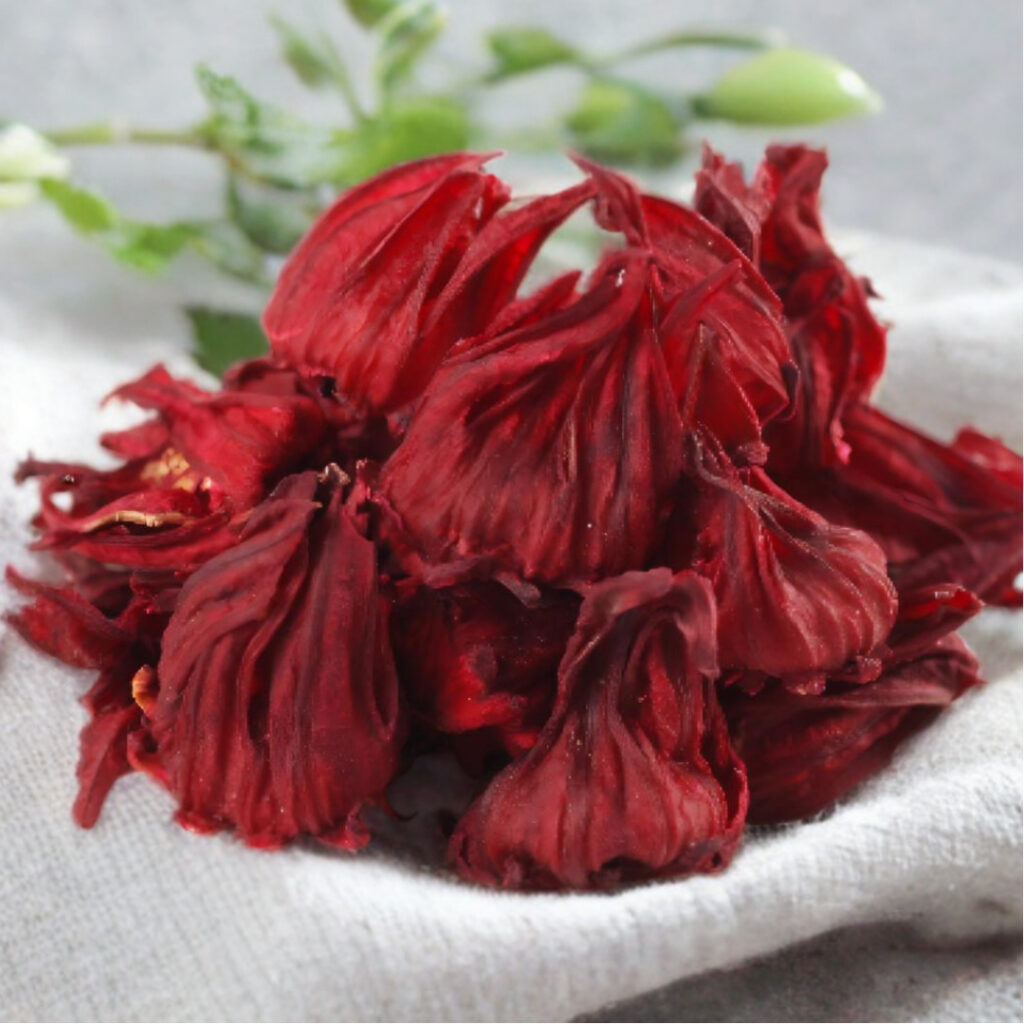
Nam Krachiap: Thai Roselle Tea
Nam krachiap is Thailand’s deep crimson roselle drink — sharply tart, intensely coloured. How to brew it, how tart to leave it, and why it is not hibiscus flower.
Nam krachiap is Thailand’s deep crimson roselle drink — sharply tart, intensely coloured. How to brew it, how tart to leave it, and why it is not hibiscus flower.
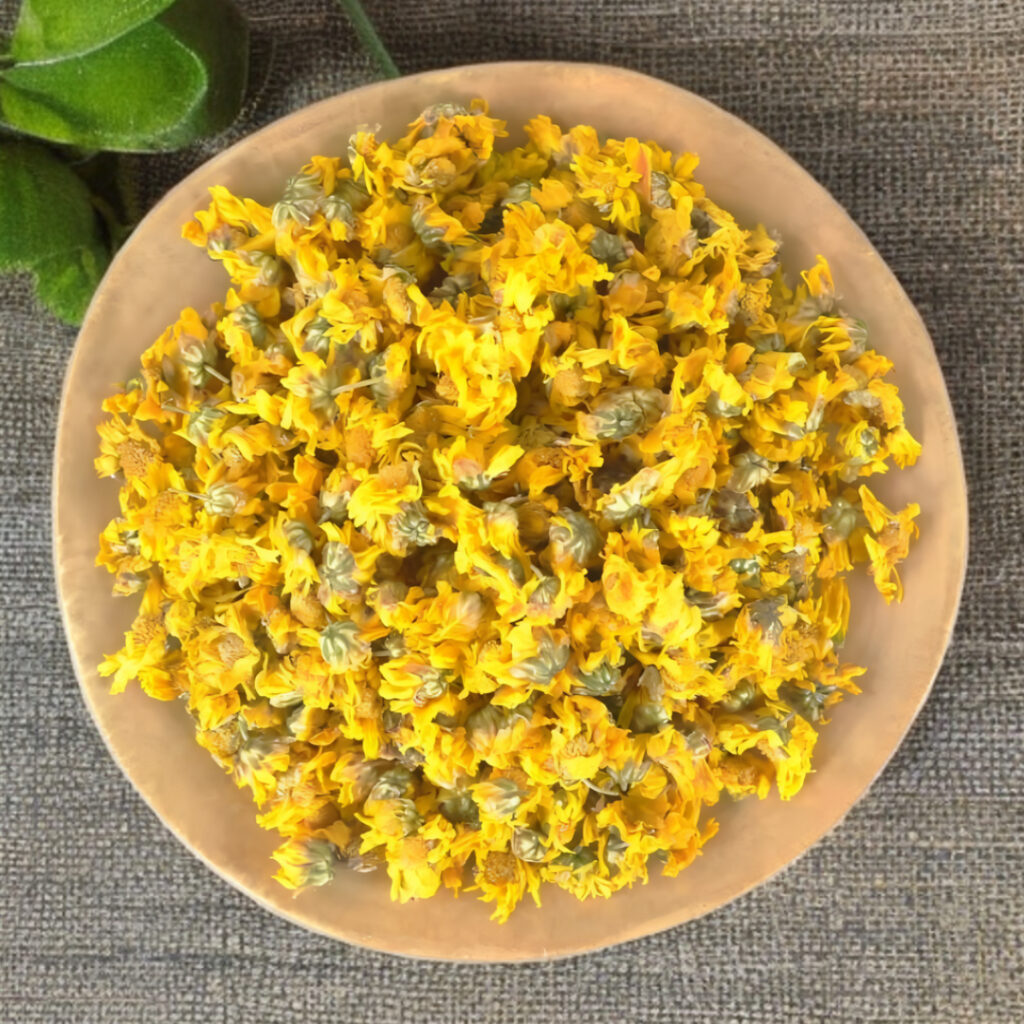
Nam gek huay is the pale gold chrysanthemum drink sold on every Thai street corner. How to simmer it properly, how sweet to make it, and how to serve it iced.
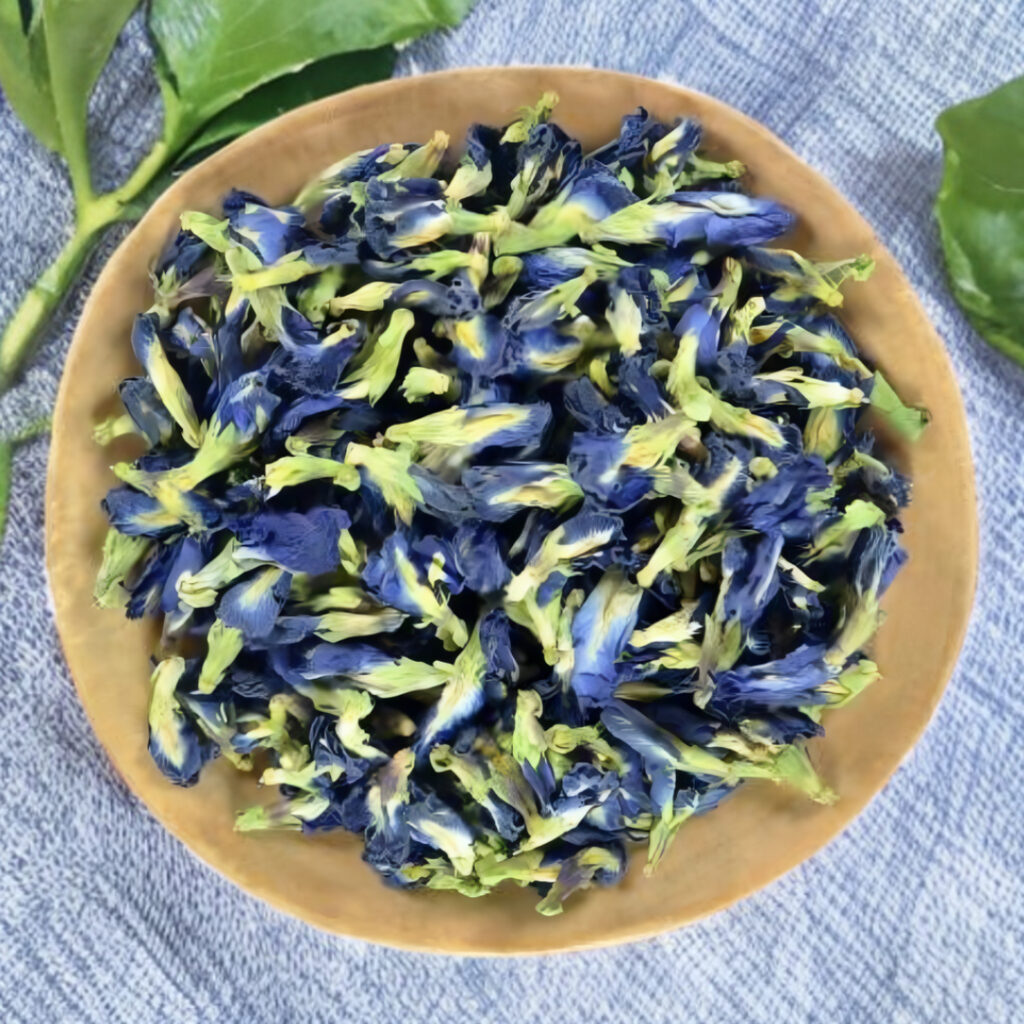
Butterfly pea tea brews deep blue, then turns violet-pink the moment you add lime. Why that happens, how to brew it, and what it actually tastes like.
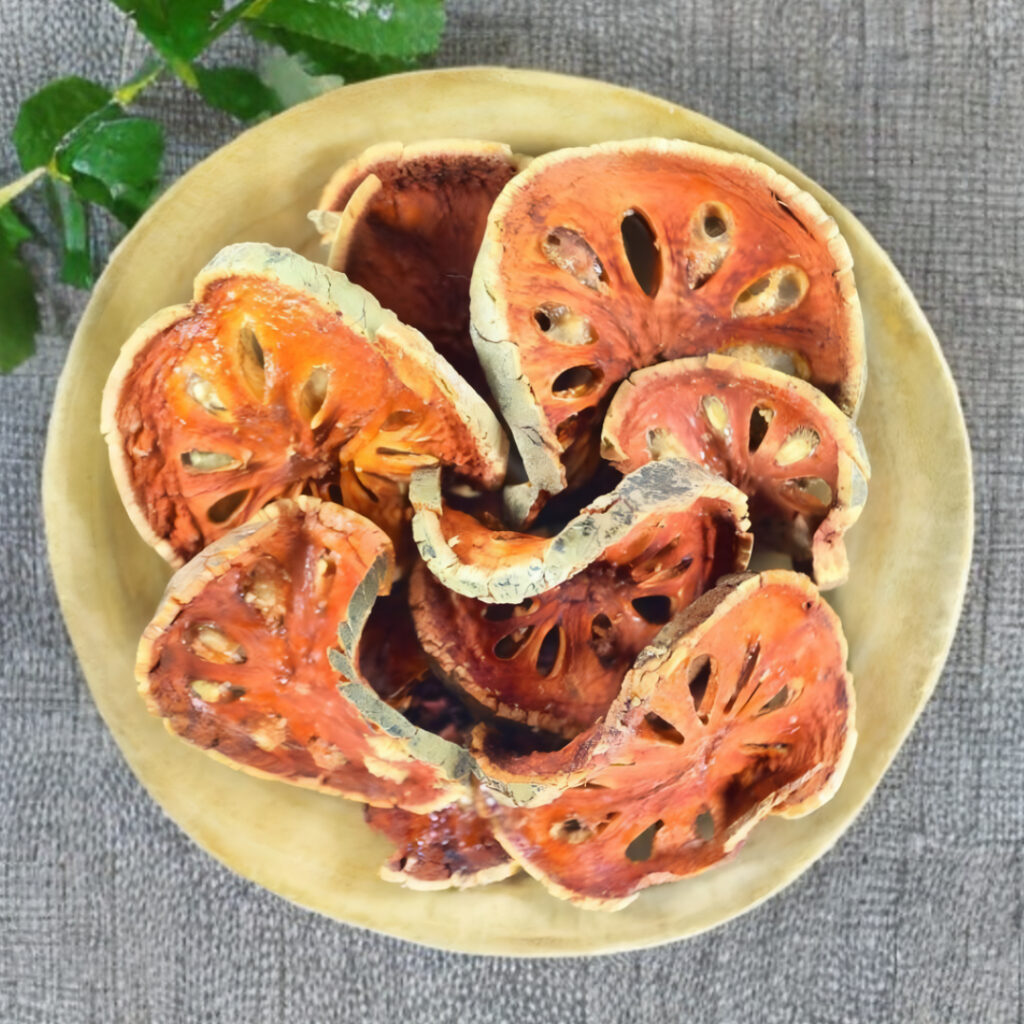
Cha matoom is Thailand’s sun-dried bael fruit drink — naturally sweet, amber and caramel-like. How to simmer it properly, hot or over ice.
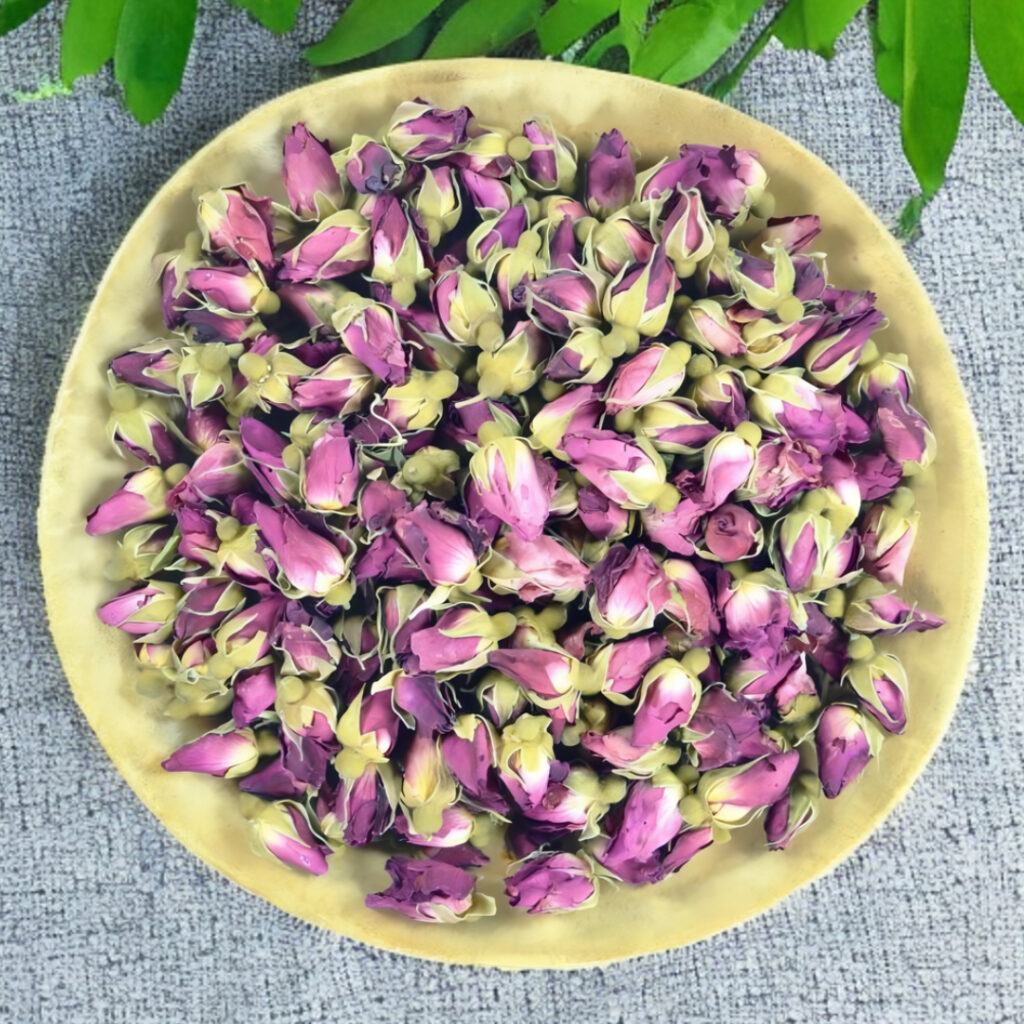
Soapy or perfumed rose tea is nearly always over-extraction. The three causes and how to fix each — plus why some people taste it more strongly.
Whole rose buds need more leaf and gentler water than people expect. Quantities, temperature and timing for a rose tea that tastes floral, not soapy.
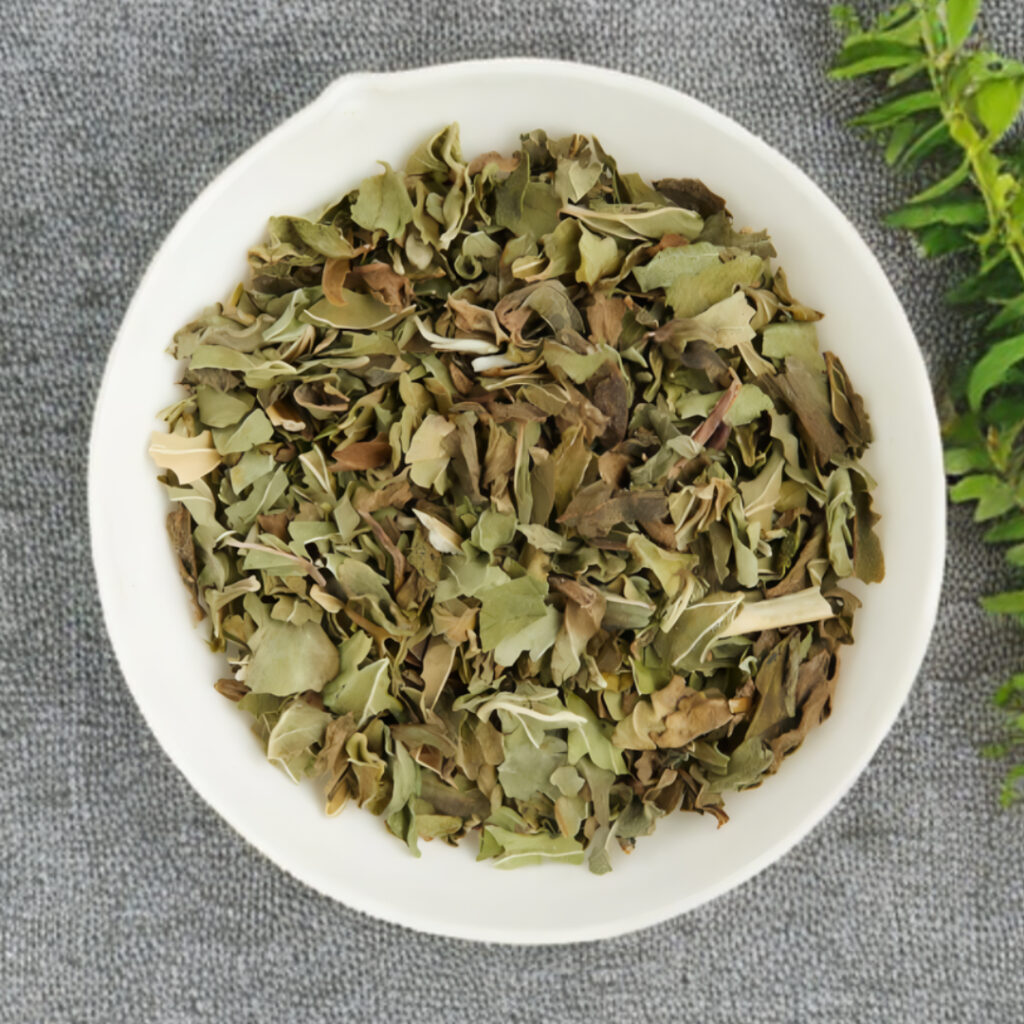
Peppermint is cooling and sharp; spearmint is sweet and mild. The reason is menthol content — roughly 40% versus under 1%. What that means in the cup.
Cold brewing ratios and times for pandan, lemongrass, peppermint, roselle and butterfly pea — plus the one botanical that will not work cold.
A teaspoon of rose buds and a teaspoon of pandan do not weigh the same. Per-botanical measurements for loose leaf tea, with and without scales.
How Much Loose Leaf Tea Per Cup (No Scale Needed) Read More »
Thai iced tea gets its orange colour from added food colouring, not from the tea. What is actually in it, and what Thai tea looks like without it.
New blends, brewing notes, and first word when we reopen.
By subscribing you agree to receive marketing emails. Unsubscribe anytime.